

Yacht Charter in Croatia
Over 1,200 islands and islets along the Dalmatian coast, the clearest sea in Europe, and the world's most popular bareboat sailing grounds.
- 3,386yachts
- 282bases
- From $38per day
- Avg $192per day
Featured Boats in Croatia
Recommended for relaxing charter vacation with friends or family.


Top Yacht Charter Destinations in Croatia
6 charter regions in Croatia.
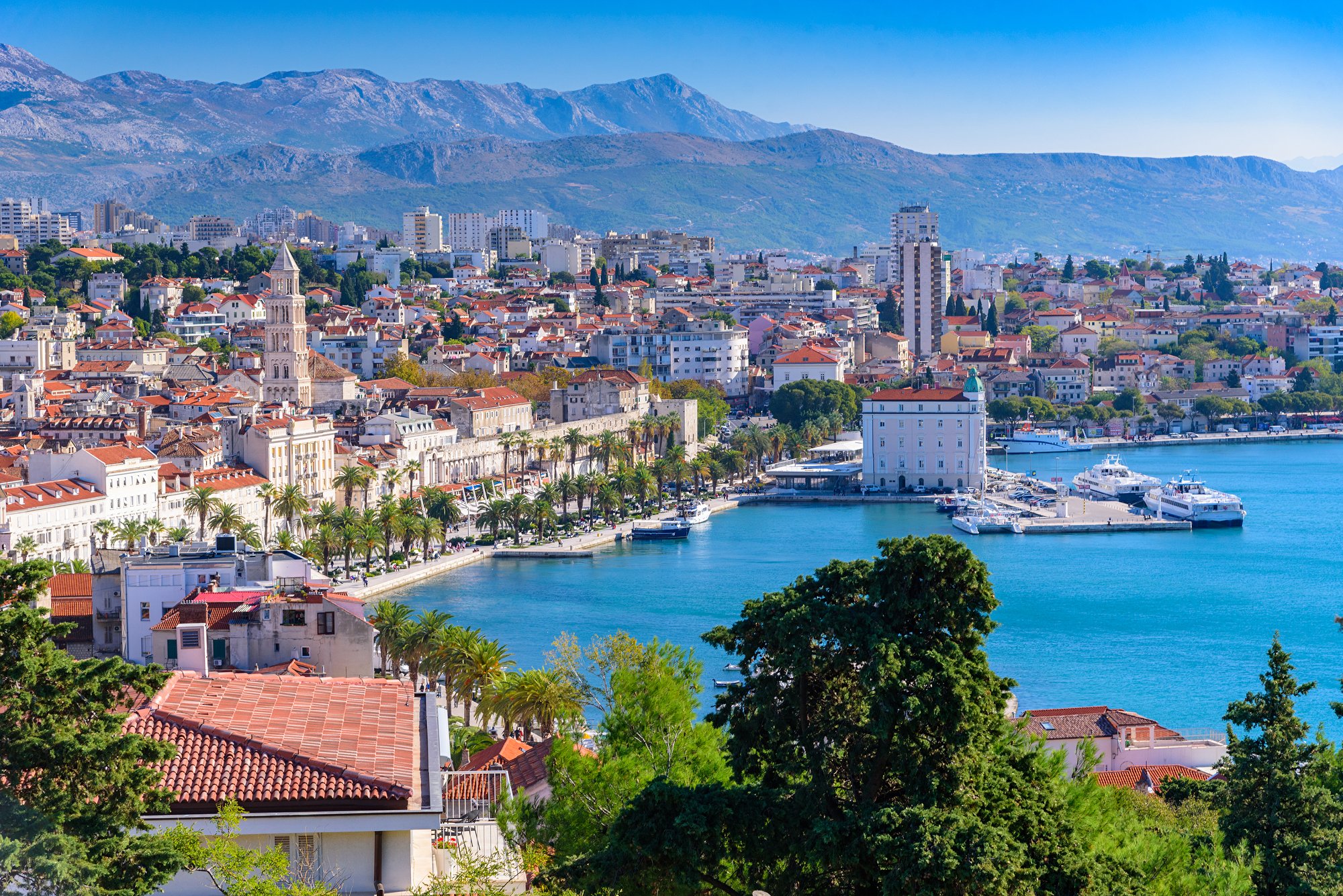
Split region
Split region combines the steep coast of central Dalmatia with islands such as Brač, Hvar, Šolta, and Vis. Split, Trogir, and Hvar Town are key stops. Sheltered channels and short passages suit varied yachts, with reliable afternoon mistral in open water.
- 1174 yachts
- Starting at $67/day
- Average $221/day

Zadar region
Zadar region combines the historic waterfront of Zadar with island cruising to Dugi Otok, Ugljan and Pašman. Anchorages around Telašćica and Kornati offer quiet coves and clear water. Summer sailing is shaped by the Maestral, with relatively sheltered passages between islands.
- 791 yachts
- Starting at $38/day
- Average $178/day

Šibenik region
Šibenik region centers on the Krka estuary and a rugged island chain with clear water, pine-covered shores, and stone towns such as Šibenik, Primošten, and Skradin. Anchorages around Zlarin, Kaprije, and the Kornati edge are generally sheltered, with short passages between islands.
- 761 yachts
- Starting at $58/day
- Average $202/day
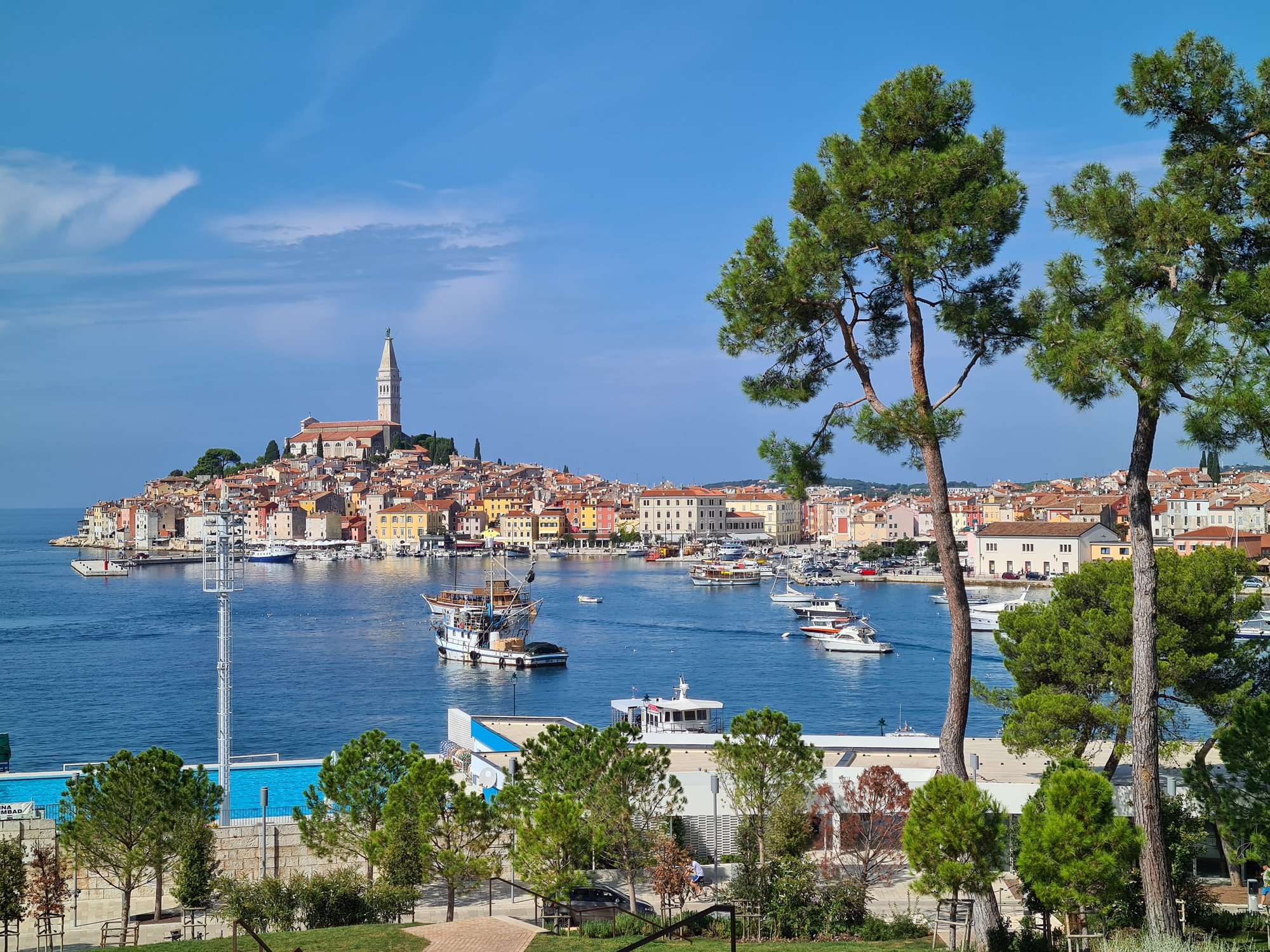
Istra
Istria’s coast mixes stone towns, vineyard hills, and rocky coves. Charter bases include Pula, Rovinj, and Poreč, with anchorages near the Brijuni islands. Summer maestral winds are generally moderate, and the sheltered western coast suits short passages and relaxed cruising.
- 317 yachts
- Starting at $58/day
- Average $149/day
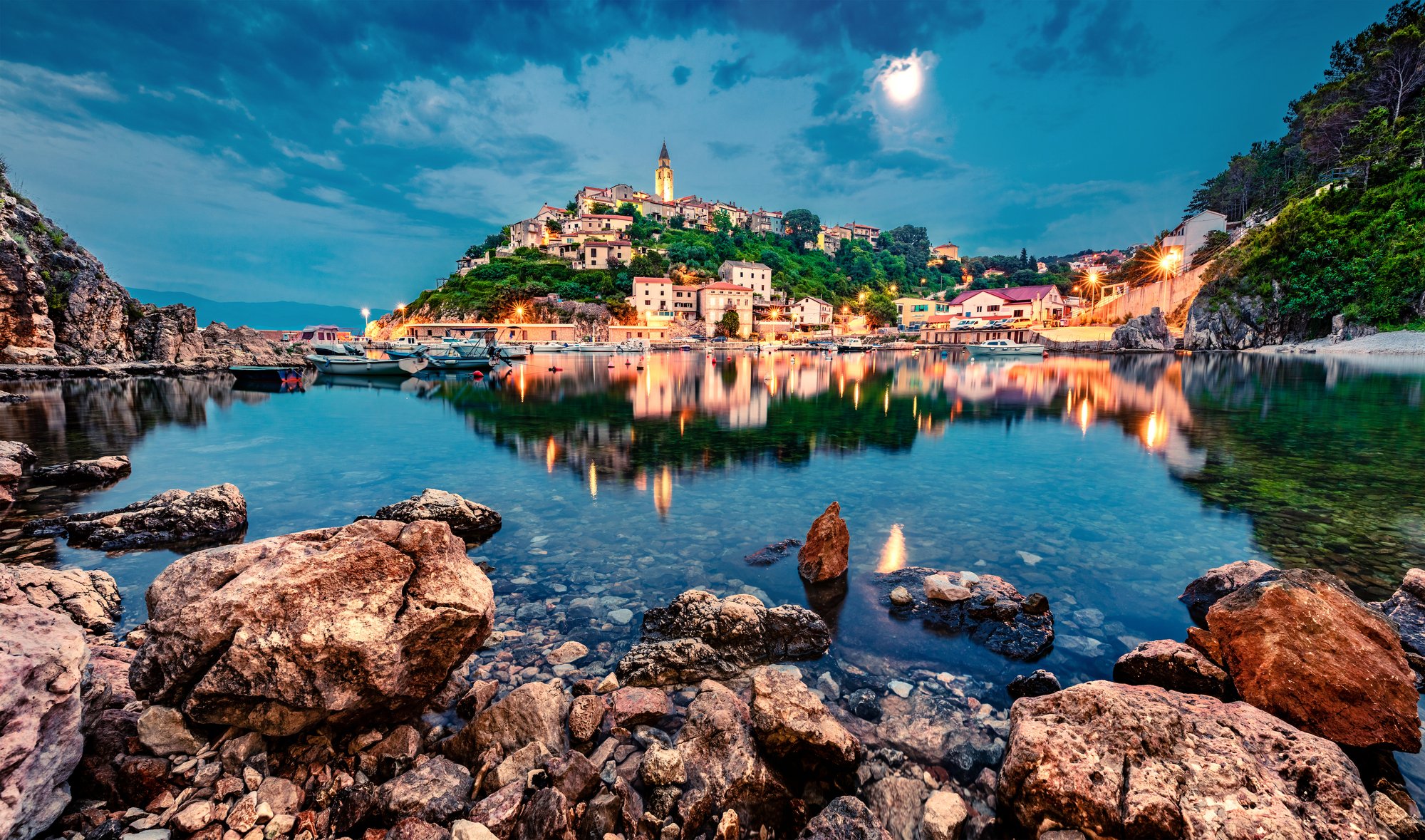
Kvarner
Kvarner combines the wooded islands of Krk, Cres, Lošinj and Rab with the port of Rijeka and anchorages such as Ilovik and Baška. Channels between the islands give short passages and good shelter, while summer winds can build in exposed crossings.
- 238 yachts
- Starting at $80/day
- Average $154/day

Dubrovnik region
Dubrovnik region combines limestone islands, clear Adriatic water, and historic ports such as Dubrovnik, Cavtat, and Mljet. Anchorages around the Elafiti and Šipan are sheltered, while the open crossings between islands are short and usually manageable for coastal cruising.
- 105 yachts
- Starting at $93/day
- Average $168/day
Yacht Types Available in Croatia
Browse by what you want to charter.
Sailing Yacht
- 2093 yachts
- Starting at $38/day
- Average $154/day
Sailing Catamaran
- 857 yachts
- Starting at $115/day
- Average $278/day
Power Yacht
- 354 yachts
- Starting at $86/day
- Average $317/day
Gulet
- 34 yachts
- Starting at $230/day
- Average $1915/day
Power Catamaran
- 29 yachts
- Starting at $184/day
- Average $490/day
Luxury Yacht
- 19 yachts
- Starting at $1344/day
- Average $7584/day
Charter Types Available in Croatia
Choose how you want to sail. Read our guide on bareboat vs crewed →
Bareboat Charter
You skipper the boat yourself. Full freedom over the itinerary, lower cost, requires a valid sailing license and VHF certificate.
- Skipper yourself with a valid license
- Full itinerary control
- Lowest cost option
Crewed Charter
Sail with a captain — no sailing license required. Includes both all-inclusive crewed yachts (captain plus optional chef and hostess) and bareboat listings where a skipper can be added on request.
- Captain handles navigation
- Local routes planned for you
- All-inclusive crew or add-a-skipper
How Yacht Charters in Croatia Compare in Price
Average daily yacht charter price across popular destinations. Click a country to explore.
Frequently Asked Questions
When is the best time to charter in Croatia?
The best time to charter in Croatia is June through September, when temperatures are typically 79°F to 88°F and July through September usually see only 4 to 8 rainy days a month. July and August are the hottest and driest at 88°F, while June and September are slightly cooler and often the most comfortable for sailing and sightseeing. May and October can still be good if you want quieter marinas, but expect cooler weather at 72°F and 70°F, more rain with 12 and 8 rainy days respectively, and generally less reliable swimming and beach conditions.
How much does a yacht charter in Croatia cost?
The cost of a yacht charter in Croatia starts at $61 per day, with a median booked rate of $213 per day across 3,344 yachts. The practical sailing season begins in late April, but those lower prices can come with cooler weather, more rain, stronger winds, and some marinas, restaurants, and charter services operating on reduced schedules; July peaks around $460 per day. As a rule of thumb, monohulls average about $4 per foot per day, catamarans $7, and power yachts $10, with catamarans costing about 66% more per foot than monohulls.
Do you need a sailing license for a bareboat charter in Croatia?
Yes-if you’re asking whether you need a sailing license for a bareboat charter in Croatia, the answer is usually yes. The skipper normally must hold a government-recognized sailing license plus a VHF radio certificate, and the charter company will check both before handover. If no one in your group has the required paperwork, book a skippered charter instead.
What are the best charter bases in Croatia for first-time sailors?
For first-time sailors in Croatia, Split is usually the best charter base because its central location gives you short, manageable island hops to Brač, Hvar, Šolta, and Vis; Hvar is about 2 hours from Split and Vis about 3. Zadar and nearby Biograd are also excellent beginner-friendly bases if you want more sheltered sailing around Kornati and northern Dalmatia. Dubrovnik is better once you are comfortable with a busier, more southern cruising area.
What wind conditions should you expect while sailing in Croatia?
When sailing in Croatia in summer, expect the afternoon NW maestral at about 10 to 20 knots, usually with lighter mornings and winds easing later in the day. Because much of the cruising area is sheltered by islands, you’ll often get flatter water and comfortable daysailing rather than open-ocean swell. Outside the stable summer pattern, watch forecasts carefully: the NE bora can arrive suddenly with strong, gusty wind, while the SE jugo can bring rougher, more sustained conditions.
What size yacht is typical for a Croatia charter?
A typical entry-level yacht charter in Croatia is a 40-to-45-foot monohull, most commonly configured with 3 to 4 double cabins to comfortably accommodate 6 to 8 guests. Monohulls are the standard choice, making up 2,080 of the 3,344 boats available, so that size and layout is a good baseline for most groups. If you want more living space and stability, Croatia also has 826 catamarans, but they cost about 66% more per foot than monohulls.
Which regions are most popular for sailing in Croatia?
The most popular regions for sailing in Croatia are Split for central Dalmatia, Zadar and Šibenik for Kornati and the north, Dubrovnik for the south, and Istria-Kvarner for northern island cruising. Split is the busiest charter base because it gives easy access to Hvar, Brač, Šolta, and Vis, while Zadar and Šibenik are the main starting points for Kornati and northern Dalmatia. Choose Dubrovnik for routes around Korčula, Mljet, and the Elaphiti Islands, or head to Istra and Kvarner from ports like Pula to sail Cres, Lošinj, and Krk.
How long should a typical Croatia sailing trip be?
A typical Croatia sailing trip is 7 days, which is enough for a relaxed island-hopping route from Split or a Kornati itinerary from Zadar. If you want to combine multiple cruising regions or sail farther south toward Korčula and Mljet without rushing, plan on 10 to 14 days. A long weekend is possible, but it usually means staying within one island group and spending more time sailing than exploring.
When should you book a yacht charter in Croatia?
When to book a yacht charter in Croatia depends heavily on your travel dates: you should reserve your boat 6 to 9 months in advance for the peak July and August season, especially if you require a popular layout like a catamaran or a newer 4-cabin monohull. For May, June, September, and October, booking 3 to 6 months ahead is usually enough. The absolute lowest practical pricing of the operational season occurs in late April, where baseline rates start around $213 per day, though early spring sailing comes with cooler water and unpredictable winds; by contrast, the highest average prices land in July at about $460 per day.
How do you get to a Croatia charter base?
To get to a Croatia charter base, most crews fly into Split, Dubrovnik, Zadar, or Pula and then take a taxi or pre-arranged marina transfer to the boat. Split is the most central gateway for the Dalmatian islands, Dubrovnik works best for southern itineraries toward Korčula and Mljet, and Zadar or nearby Biograd is the practical entry point for Kornati. If your charter starts in Istria or Kvarner, Pula and Rijeka are the usual northern gateways.
Boat Rental Croatia — Dalmatian Coast Yacht Charters
Croatia is the world's most popular bareboat sailing destination. With over 1,200 islands, islets, and reefs along its Adriatic coastline, the Dalmatian coast offers exceptional sailing in sheltered waters, world-class marinas, and some of the clearest sea in Europe.
Why Sail Croatia?
Croatia's appeal is simple: ideal sailing conditions, stunning scenery, and excellent infrastructure at competitive prices. The Adriatic is warm from May through October, peaking around 31°C (88°F) in July and August. The maestral (NW sea breeze) fills in reliably each afternoon, giving sailors consistent 10–20 knot winds for comfortable daysailing.
- 1,200+ islands — Hvar, Brač, Vis, Korčula, Mljet, Šolta, and the Kornati archipelago
- ACI marina network — 22 marinas along the coast with full services
- Safe, protected waters — mostly inland sea with no ocean swells
- Incredible food and wine — fresh seafood, local pošip and plavac mali wine at every harbour
Charter Bases
Split is the most popular base, centrally located with direct flights from all major European cities. From Split, you can reach Hvar in 2 hours, Vis in 3, and the Kornati in a day's sail north.
Dubrovnik is perfect for exploring the south — Korčula, Mljet, and the Elaphiti islands. Higher demand means slightly higher prices.
Zadar and Biograd are ideal bases for the Kornati National Park and northern Dalmatia.
Top Islands to Visit
| Island | Highlight | Best for |
|---|---|---|
| Hvar | Lavender fields, Pakleni islands | Nightlife, beach clubs |
| Vis | Remote, unspoiled | Off-the-beaten-path sailing |
| Korčula | Medieval walled town | Culture, wine (Grk grape) |
| Brač | Zlatni Rat beach | Swimming, windsurfing |
| Kornati | 89 islands national park | Nature, deserted anchorages |
| Mljet | Saltwater lakes, monastery | National park, cycling |
Boat Rental Costs in Croatia
| Boat type | Shoulder season | Peak season (Jul–Aug) |
|---|---|---|
| Sailing yacht (32–40ft) | $900 – $1,800/week | $1,500 – $3,200/week |
| Sailing yacht (40–50ft) | $1,500 – $2,800/week | $2,500 – $4,500/week |
| Catamaran (40–45ft) | $2,500 – $4,000/week | $4,000 – $7,000/week |
Marina fees average €30–€90 per night for a 40ft yacht; larger boats and peak-season berths cost more. Croatia charges a mandatory tourist tax, typically around €1.35–€2.65 per person per night, plus a transit log fee, often around €150–€350 depending on boat size. Both are usually collected by the charter company at check-in. The transit log fee, sometimes called a charter pack or comfort package, is a mandatory one-time service fee paid directly to the charter company when renting a yacht.
License Requirements
Croatia requires an ICC (International Certificate of Competence) or recognised national certificate, plus an SRC VHF radio license. Certificates are checked at charter base check-in and periodically by the harbourmaster. Without a license, you must hire a local skipper (~€150–€200/day).
Yacht listings, pricing, and availability come from charter operators. Destination descriptions, climate, and regional information are compiled from public sources by the TripYacht team. Last updated: October 13, 2026.